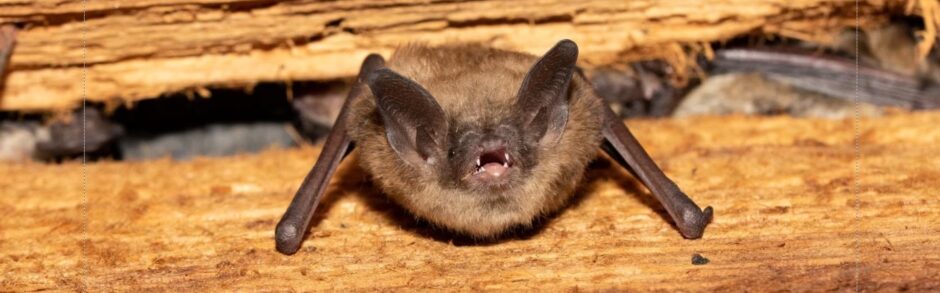
Bats in the attic can be a serious problem for homeowners. While they play an essential role in the ecosystem by controlling insect populations, having them inside your home can lead to structural damage, foul odors, and health risks. Since bats are protected in many states, it’s important to use legal, humane methods for removal.
This expert guide will walk you through the safe and effective steps to get rid of bats in your attic while ensuring they don’t return.
Why Are Bats in Your Attic?
Bats seek shelter in attics for several reasons:
✔ Warmth & Protection – Attics provide a safe, insulated space for roosting.
✔ Ideal Nesting Environment – Bats raise their young in quiet, undisturbed areas.
✔ Access to Food – If your area has a high insect population, bats will settle nearby.
✔ Easy Entry Points – Gaps in rooflines, vents, soffits, and chimneys provide easy access.
⚠️ Important: Bats are nocturnal, meaning they are most active at dusk and dawn. If you hear scratching, fluttering, or squeaking sounds at night, you likely have an infestation.
Step 1: Confirm You Have Bats (Not Another Pest)
Before taking action, confirm that bats—not rodents, birds, or squirrels—are causing the problem.
🔎 Signs of a Bat Infestation:
✔ Scratching & fluttering noises at night.
✔ Guano (bat droppings) found near entry points.
✔ Strong, musty odors in the attic.
✔ Grease stains around small holes or gaps.
✔ Bats flying near your home at dusk.
If you see multiple bats leaving from one location at sunset, it’s a strong indicator that you have a colony in your attic.
Step 2: Identify Bat Entry Points
Bats enter through tiny openings as small as ½ inch, making it crucial to locate all possible entry points.
🔎 Common Bat Entry Points:
✔ Roofline gaps & soffits
✔ Loose shingles & vents
✔ Uncovered chimneys & attic openings
✔ Gaps around windows & siding
✅ Pro Tip: Observe at dusk to watch where bats are exiting. This will help you pinpoint their main entryways.
Step 3: Use the One-Way Bat Exclusion Method (Humane & Legal)
Since bats are protected species, you cannot trap, kill, or harm them. Instead, the one-way exclusion method is the safest and most effective solution.
🔹 How to Install a Bat Exclusion Device:
✔ Place a one-way bat valve or exclusion tube over the main entry point.
✔ These allow bats to exit but prevent them from coming back in.
✔ Leave the device in place for 5-7 days to ensure all bats have left.
✅ Best Exclusion Devices:
- Batcones (commercial bat exclusion tubes)
- Netting or mesh barriers over entry points
- PVC exclusion tubes
🚨 DO NOT SEAL THE ENTRY POINT IMMEDIATELY 🚨
Sealing too soon could trap bats inside, leading to dead bats, odors, and legal issues.
Step 4: Seal All Entry Points to Prevent Re-Entry
Once all bats have safely left, permanently seal all entry points to prevent re-infestation.
🔹 Best Materials for Bat-Proofing:
✔ Steel mesh or hardware cloth (bats can’t chew through it).
✔ Silicone caulk for small cracks.
✔ Chimney caps & vent covers to block access.
✔ Weather stripping around attic openings.
✅ Bonus Tip: Keep trees trimmed near your roofline, as overhanging branches can provide easy access for bats.
Step 5: Clean & Disinfect Your Attic (Health Precautions Required!)
Bat guano carries dangerous fungi that can cause histoplasmosis, a respiratory disease. Proper cleanup and disinfection are essential.
🔹 How to Clean Bat Guano Safely:
✔ Wear protective gear (gloves, mask, and goggles).
✔ Use a HEPA-filter vacuum to remove droppings.
✔ Disinfect contaminated areas with an enzyme-based cleaner.
✔ Replace damaged insulation if heavily soiled.
🚨 Warning: Never sweep or dry-brush bat guano, as this can release airborne spores that are harmful if inhaled.
Step 6: Keep Bats from Coming Back (Long-Term Prevention Tips)
Even after removal, bats may try to return—especially if your attic was an ideal roosting spot.
🔹 Best Ways to Prevent Bats from Returning:
✔ Install bat houses in your yard to give them an alternative roosting spot.
✔ Keep exterior lights on at night, as bats prefer dark areas.
✔ Regularly inspect your attic for new entry points.
✔ Ensure vents & chimneys are properly covered.
✅ Pro Tip: Bat houses can reduce the likelihood of bats re-entering your home while allowing them to continue providing natural insect control.
When to Call a Professional Bat Removal Service
While DIY bat removal is possible, hiring a professional ensures safe, legal, and effective exclusion.
✔ If you have a large colony (10+ bats).
✔ If bats have babies (May–July), exclusion should be delayed until they can fly.
✔ If you need full attic restoration due to severe contamination.
A licensed bat removal expert can handle the process safely, legally, and efficiently while ensuring long-term prevention.
Final Thoughts: Protect Your Home from Bats
Bats are beneficial creatures, but they don’t belong in your home. By following these expert bat removal steps, you can safely exclude bats and protect your attic from future infestations.
✔ Confirm the infestation and locate entry points.
✔ Use a one-way exclusion method to allow bats to leave safely.
✔ Seal all openings once they’re gone.
✔ Clean and disinfect your attic to remove bat guano.
✔ Implement prevention strategies to keep bats from returning.
By taking swift action, you can eliminate bats humanely and keep your home bat-free for the long term.
📝 Related Articles:
📖 5 Signs You Have a Bat Infestation