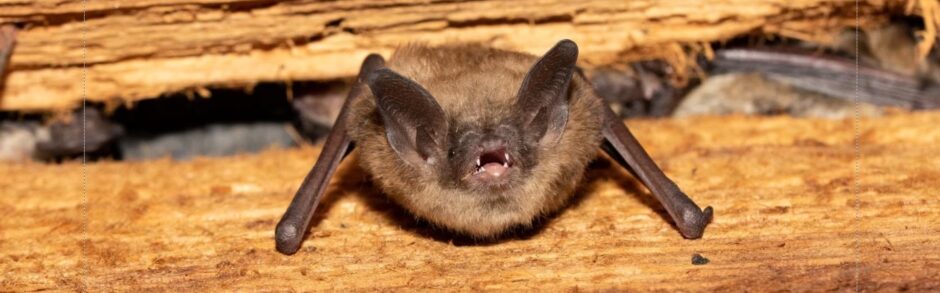
Bats play an essential role in the ecosystem, but having them inside your home can lead to serious problems. Whether they’re nesting in your attic, walls, or chimney, bats can cause property damage, health risks, and unpleasant odors. Recognizing the signs of a bat infestation early can help prevent bigger issues.
Below are five key indicators that bats might be living in your home.
1. Unusual Noises at Night
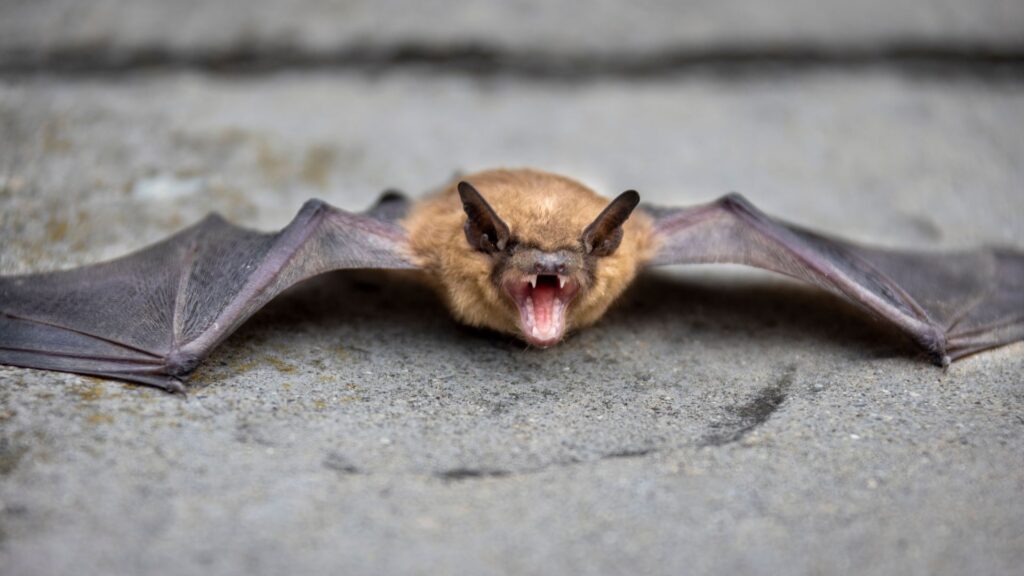
Bats are nocturnal, meaning they are most active after sunset. If you hear scratching, fluttering, or high-pitched squeaking noises at night, it could be a sign that bats are roosting inside your attic, walls, or chimney. These sounds are often more noticeable in the early evening or just before dawn.
📌 Where to Check: Attic spaces, vents, walls, and roof eaves.
2. Droppings (Guano) Accumulating in or Around Your Home
One of the most obvious signs of a bat infestation is bat droppings, also known as guano. These small, dark pellets often accumulate near entry points such as attic openings, windowsills, or under eaves.
🔎 How to Identify Guano:
- Crumbles easily and has a shiny appearance due to insect parts.
- Often found in piles beneath roosting areas.
- Has a strong, musky odor over time.
⚠️ Warning: Bat guano can carry harmful fungi that cause histoplasmosis, a respiratory disease that can be dangerous if inhaled.
3. Stains & Grease Marks Near Entry Points
Bats often use the same entry and exit points when roosting in a home. Over time, their oily fur leaves dark stains or smudges around gaps, vents, or small holes. If you notice brown or black grease marks around your attic vents, roofline, or siding, bats could be using these areas as entry points.
📌 Common Entry Points:
✔️ Roof vents & soffits
✔️ Gaps in shingles or roof flashing
✔️ Loose or broken siding
✔️ Chimneys & uncovered exhaust vents
4. Strong, Musty Odor in Your Home
A lingering strong, musty smell in your attic or walls can indicate a long-term bat infestation. The odor usually comes from a combination of bat urine and droppings, which can soak into insulation and wooden beams.
📌 Where to Check for Odors:
- Near attic access points
- Around vents or chimneys
- Inside wall cavities
Over time, bat urine can cause structural damage and health risks if not cleaned properly.
5. Seeing Bats Flying Near Your Home at Dusk
If you notice bats flying around your home at dusk, it could be a sign they are roosting inside your attic or nearby structures. Bats typically exit their roost right after sunset to search for insects, and they return just before dawn.
🔎 How to Confirm:
- Watch for bats emerging from gaps in your roofline or vents at night.
- Check for repeated activity in the same area over multiple evenings.
- If you see multiple bats entering or exiting, there’s likely a colony living inside.
What to Do If You Have a Bat Infestation
If you notice one or more of these signs, it’s important to take action quickly. Bats are protected in many areas, so improper removal methods can lead to legal issues. The safest approach is professional bat exclusion, which involves sealing entry points and allowing bats to exit safely.
For more information on bat removal and prevention, explore our latest guides or learn about safe bat exclusion techniques.
📖 Related Articles:
✔️ How to Get Rid of Bats in Your Attic – Expert Guide