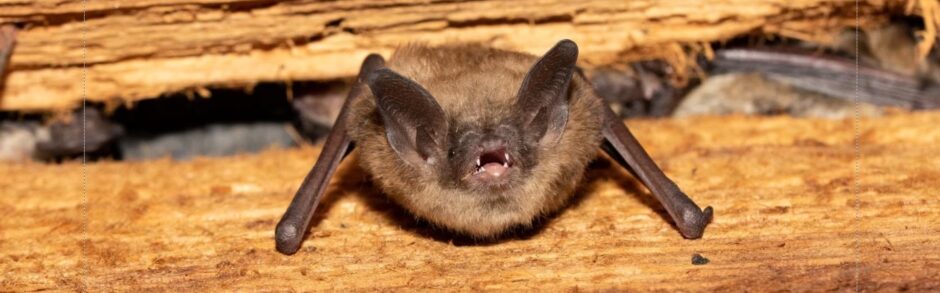
Bats are fascinating creatures that play a crucial role in the ecosystem by controlling insect populations. However, when one finds its way into your home, it can be a stressful and unsettling experience. Fortunately, there are safe and humane ways to remove a bat from your house without harming it or putting yourself at risk. In this guide, we will cover the best methods for getting a bat to leave your home, as well as tips for preventing future intrusions.
Understanding Why Bats Enter Homes
Bats typically enter houses for a few main reasons:
- Accidental entry – They may fly in through an open window or door while hunting for insects.
- Seeking shelter – Bats may use attics, chimneys, or wall voids as roosting areas, especially in colder months.
- Confusion – Young bats learning to fly may end up in a home by mistake.
Recognizing why a bat is in your house can help you determine the best way to safely remove it and prevent it from happening again.
Step-by-Step Guide to Getting a Bat Out of Your House
1. Stay Calm and Assess the Situation
If a bat is flying around inside your home, try to remain calm. Bats are not aggressive creatures and usually do not intend to harm humans. They are more likely frightened and trying to find an exit.
- Avoid screaming or making sudden movements.
- Keep pets and children away from the bat.
- Do not attempt to swat at the bat or use a broom to hit it.
2. Turn Off the Lights and Open a Window or Door
Bats use echolocation to navigate, and bright lights can confuse them.
- Turn off all indoor lights except for the exit path (window or door).
- Open windows and doors to give the bat a clear way out.
- Close off other rooms to prevent the bat from flying deeper into the house.
The bat will usually sense the fresh air and head toward the exit.
3. Gently Guide the Bat Toward the Exit
If the bat does not leave on its own, you may need to help direct it.
- Use a soft object, like a towel or piece of cardboard, to gently guide it toward the open window or door.
- Avoid direct contact with the bat.
4. Use the “Box and Card” Method If Needed
If the bat lands on a surface and is not flying, you can capture it using this safe method:
- Wear gloves to protect yourself from potential bites or scratches.
- Place a box, plastic container, or a large cup over the bat.
- Slide a piece of cardboard or stiff paper under the container to trap the bat inside.
- Slowly carry the bat outside and release it in a quiet, shaded area.
5. Never Handle a Bat Barehanded
Bats are wild animals and can carry diseases, including rabies. While the risk of transmission is low, you should always handle them with gloves or allow a professional to assist.
What If the Bat Doesn’t Leave?
If the bat refuses to leave, it may be roosting inside your home. In such cases:
- Check common hiding spots such as curtains, potted plants, behind furniture, or high corners.
- If the bat is resting, wait until nightfall when it is more active to encourage it to leave.
- If multiple bats are present, you may have a colony in your attic or walls, requiring professional removal.
How to Prevent Bats from Entering Your Home
1. Seal Entry Points
- Inspect your home for small gaps and holes where bats might enter, especially around the roof, vents, chimneys, and eaves.
- Use caulk, steel wool, or mesh screens to seal openings larger than ¼ inch.
- Ensure window screens and door seals are intact.
2. Install a Bat Exclusion Device
A one-way bat valve or exclusion tube allows bats to leave but prevents them from re-entering. These should be installed by professionals to ensure effectiveness.
3. Maintain Your Chimney
Bats often enter through chimneys, so install a chimney cap to block access.
4. Eliminate Outdoor Attractants
- Keep outdoor lights off or use yellow bug lights to reduce insects that attract bats.
- Trim trees and remove dead branches that could serve as bat roosts near your home.
When to Call a Professional
If you suspect a bat infestation (multiple bats inside or noises from the attic), contact a wildlife removal expert. Professionals will:
- Assess your home for bat colonies.
- Safely remove and exclude bats.
- Provide cleanup services for bat droppings (guano), which can pose health risks.
What Not to Do
- Do not try to poison or kill the bat – Bats are protected in many areas due to their ecological benefits.
- Avoid using glue traps or sticky surfaces – These inhumane methods cause unnecessary suffering.
- Do not attempt to relocate a bat colony yourself – Bat removal should be handled by experts to avoid harm to the bats and ensure compliance with local wildlife laws.
Final Thoughts
Encountering a bat in your home can be alarming, but by staying calm and following these steps, you can safely and humanely remove it. If the issue persists, sealing entry points and consulting a wildlife professional will help keep your home bat-free in the future.
By respecting and protecting bats while keeping them out of your home, you contribute to a healthier ecosystem and a more balanced environment.